Do AI Visitors Convert Better? Our Case Data vs the Industry Studies
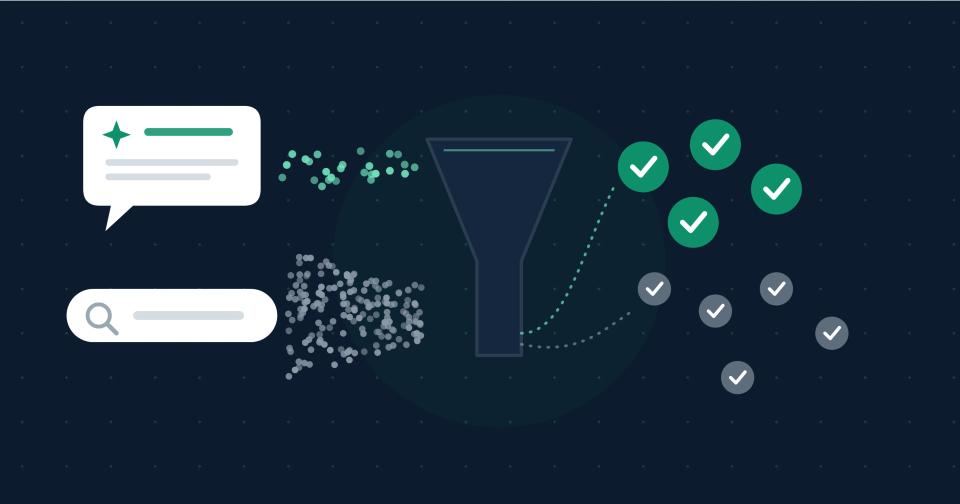
We put nine industry studies next to our own case data. AI visitors convert better when the sale starts with a conversation, and about the same or worse when it ends at a checkout.
Tactics, methodology and measurement for getting cited across ChatGPT, Perplexity, Gemini, Claude and Microsoft Copilot.
84 articles · 8 topics · Latest Nov 19, 2026
Brands already being named inside AI answers


We put nine industry studies next to our own case data. AI visitors convert better when the sale starts with a conversation, and about the same or worse when it ends at a checkout.

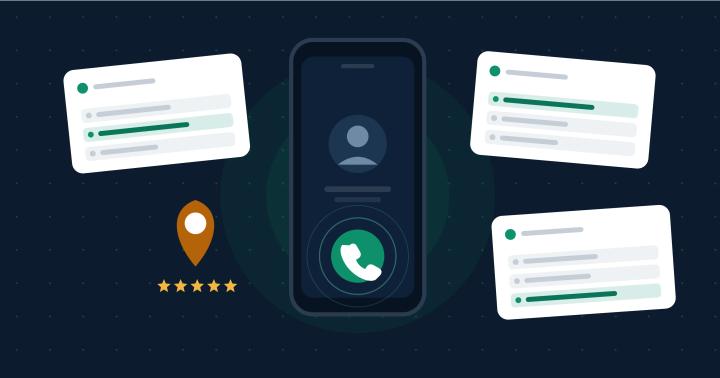
We asked four AI assistants and Google who to call after a DUI arrest in 10 US cities, then opened 130 firm websites on a phone. Here is what gets a criminal defense firm chosen first, with a real case: 35 call taps in 28 days, no ads.

AI is doing both. It sends some referral traffic from ChatGPT, Perplexity, and Gemini, while taking a larger share of clicks through zero-click answers. To tell which wins for you, measure AI referral sessions against the organic clicks you lost.

Your SEO leads did not disappear. Buyer discovery moved into AI answers, where most searches end without a click and your analytics cannot track the mention. The replacement source is being cited and recommended inside those answers.

Most AI SEO budgets still fund classic-search tactics that stopped moving AI visibility. Answer engines now reward extractable, corroborated, crawlable content, not rank, keyword density, or clicks.

AI recognizes your brand about 99% of the time but recommends you in-category about 3% of the time. Recommendation runs on entity clarity and corroboration, not name recognition.

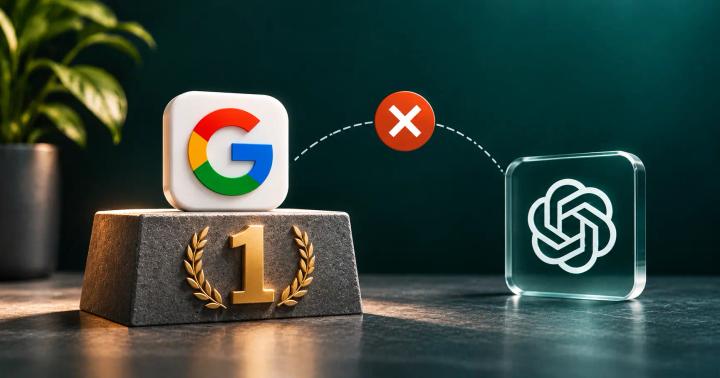
Ranking #1 on Google no longer guarantees an AI citation. In a 2026 study, 53% of the sources cited in Google’s AI Overviews were not in the organic top 10. Citation and ranking are now two separate systems.

You rank on Google and ChatGPT at the same time by building one quality, entity-backed content foundation, then adding a few surface-specific moves for each.

AEO for Botox, filler, and laser gets your clinic cited on treatment queries through compliant, provider-backed content and strong local entity signals.

Optimize content for AI search by leading with a direct answer, structuring for extraction, proving expertise, and adding schema so engines can cite you.

AI SEO pricing in 2026 runs from DIY tools to agency retainers of a few thousand a month. What you pay depends on which AEO and GEO services you buy.

Measure AI SEO ROI as a chain: track AI citations and visibility, then AI-referred and branded traffic, then leads and revenue, against program cost.

AEO is worth it for a small business when buyers already ask AI engines in your category and you can produce credible content. If neither is true, wait.

E-E-A-T is how AI engines judge whether to trust and cite you. Prove it with first-hand experience, credentialed named authors, and corroboration.

An AI SEO agency audits your AI visibility, builds citable content and entity signals, fixes technical eligibility, and tracks whether AI engines cite you.

Vet an AI SEO agency by asking how they measure AI visibility, what they deliver, who does the work, and whether they promise guarantees, which is a red flag.

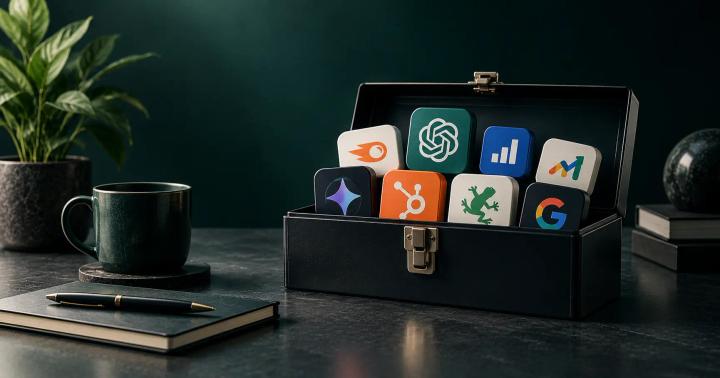
The best affordable AI SEO tools for small business in 2026 span research, content, and AI-visibility tracking, priced from about $7 to $100 a month.

AI SEO cost in 2026 varies by pricing model, with monthly retainers commonly running from about $2,000 to more than $10,000.

AI search statistics for 2026 show most Google searches now end without a click, AI Overviews reach billions, and citations are the new visibility.
Every figure is read from the client’s own GA4, Search Console, Bing or Shopify, over the window named beside it.
See all case studies →Written diagnostic in 3 business days. Complimentary. No sales call.